


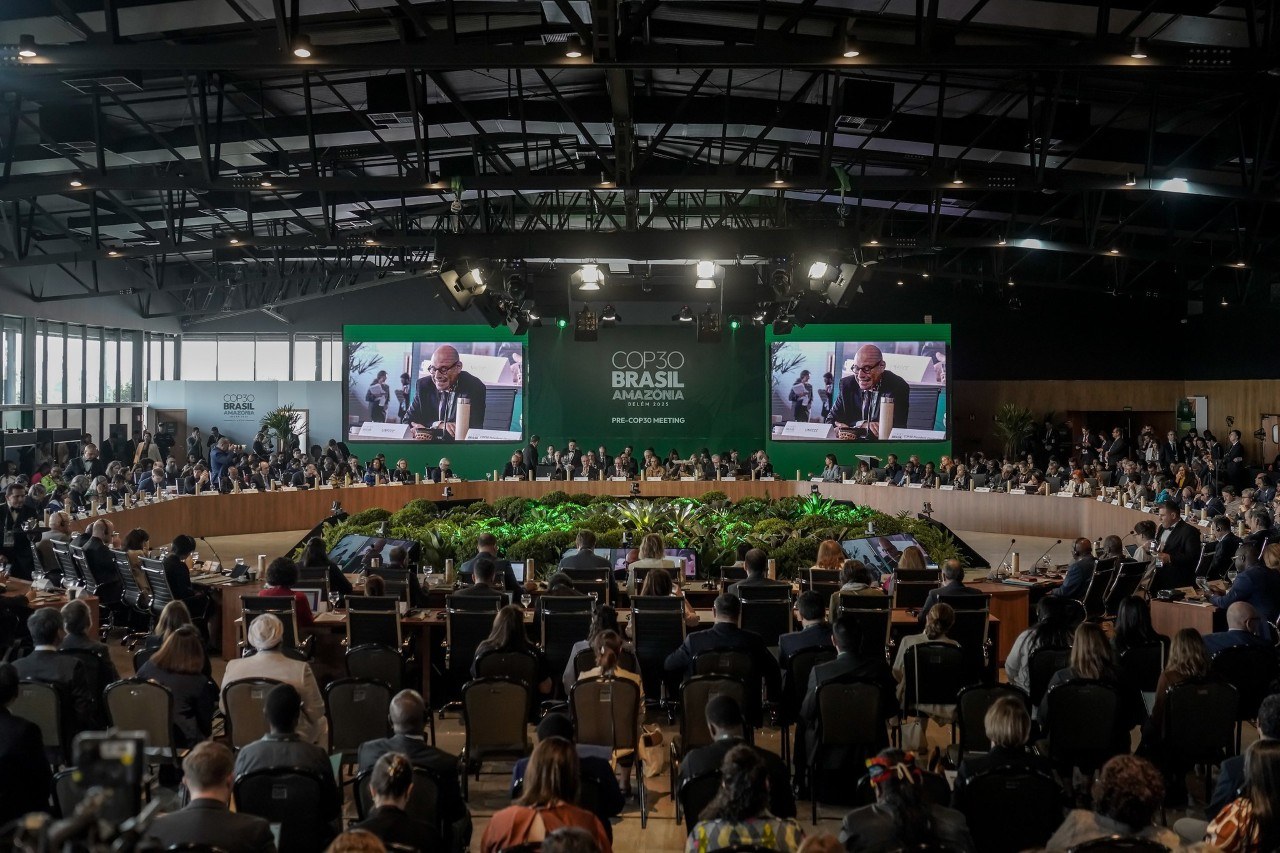
In the last few days, World leaders (and, going by previous conferences, a lot of fossil fuel lobbyists) have been arriving in Belém, Brazil, for the 30th Conference of the Parties on climate change (known as COP30).
The UK, once seen as a global leader on climate legislation, now attends with the national backdrop of two opposition parties who want to repeal the now 17 year old Climate Change Act that was once globally pioneering national legislation. Imagine the strength of leadership if Sir Keir Starmer took to the stage in Belém in front of the world leaders and announced it would be the first country to put their National Determined Contribution (NDC) into law via the Climate and Nature Bill. That is the future we deserve. That is what climate leadership looks like. Unfortunately, that is not on the cards in Brazil, with the UK government continuing to delay its commitment to the science-led bill.
The Prime Minister and Secretary of State for Net Zero and Energy Security, Ed Miliband, will be keen to ignore the breakdown in political consensus of the UK’s climate targets and instead refocus attention on its international pledge, the Nationally Determined Contribution, which remains one of the most ambitious announced among participating nations.
The one event Keir Starmer was likely keen to avoid was Thursday’s Tropical Forest Forever Fund lunchtime event after the UK announced it would not contribute to a flagship fund for the world’s remaining tropical forests. This is despite having a larger ecological footprint per capita than China, meaning that every person in the UK has an average demand of 5.45 global hectares in natural resources, more than twice our fair share..
COP30 will draw a lot of attention and is poised to make a significant shift in direction from previous COPs, most notably being its location, chosen to involve and present the indigenous earth defenders who are often disregarded, overlooked, and even executed for their stewardship of critical ecosystems.
What will be high on the agenda is the role of nature and the joined-up approach and climate finance to power the delivery of the existing climate agreements. COP30 will conclude just weeks shy of the 10th anniversary of the Paris Agreement, which remains the strongest international agreement on climate change and continues to define the parameters by which we assess national and international progress. The report card 10 years on remains an “F”, with the UN secretary general clarifying the world is heading towards 2.8ºC of warming, far above the “well below 2ºC” mandate within the Paris Agreement and devastatingly distant from the ambition to “limit the temperature increase to 1.5°C”.
So if climate targets are being missed, do COPs even matter?
Yes! While delivery has been underwhelming, we cannot lose sight that prior to these agreements, the world was on course for 5ºC of warming, so the Paris Agreement created a near-unanimous global agreement on the need to decarbonise and ‘phase down’ coal.
This year was the first year on record where renewables generated more electricity than coal. This is not just good news for decarbonisation, but good news for reducing the cost of clean energy, as renewables have become the cheapest form of energy in history. The benefits of this global progress are also being felt in our cities, with remarkable improvements in air quality in places like Paris, London, Beijing, and Bogota,
So climate COPs are having an impact, but the world is not tackling the climate crisis and nature breakdown with the urgency that science requires. That is why at Zero Hour, we are calling for the UK commitments to be locked into UK legislation via the Climate and Nature Bill to give business, investors, and the public assurances that our decarbonisation strategy is aligned with what the science demands to protect food security, health, and a nature-rich UK.
Delivery, Delivery, Delivery
The contributions towards meeting the now 10-year-old Paris Agreement will be a key topic of the COP30 negotiations, on how countries aim to deliver their Nationally Determined Contributions. The UK was one of the first governments to announce in the latest round of NDCs, committing to an 81% reduction in emissions compared with the 1990 baseline. The latest Carbon Budget Delivery and Growth Plan gives some insight into how the UK aims to meet this target, but admits it doesn’t account for meeting 100% of reductions and there is a significant risk of underdelivery.
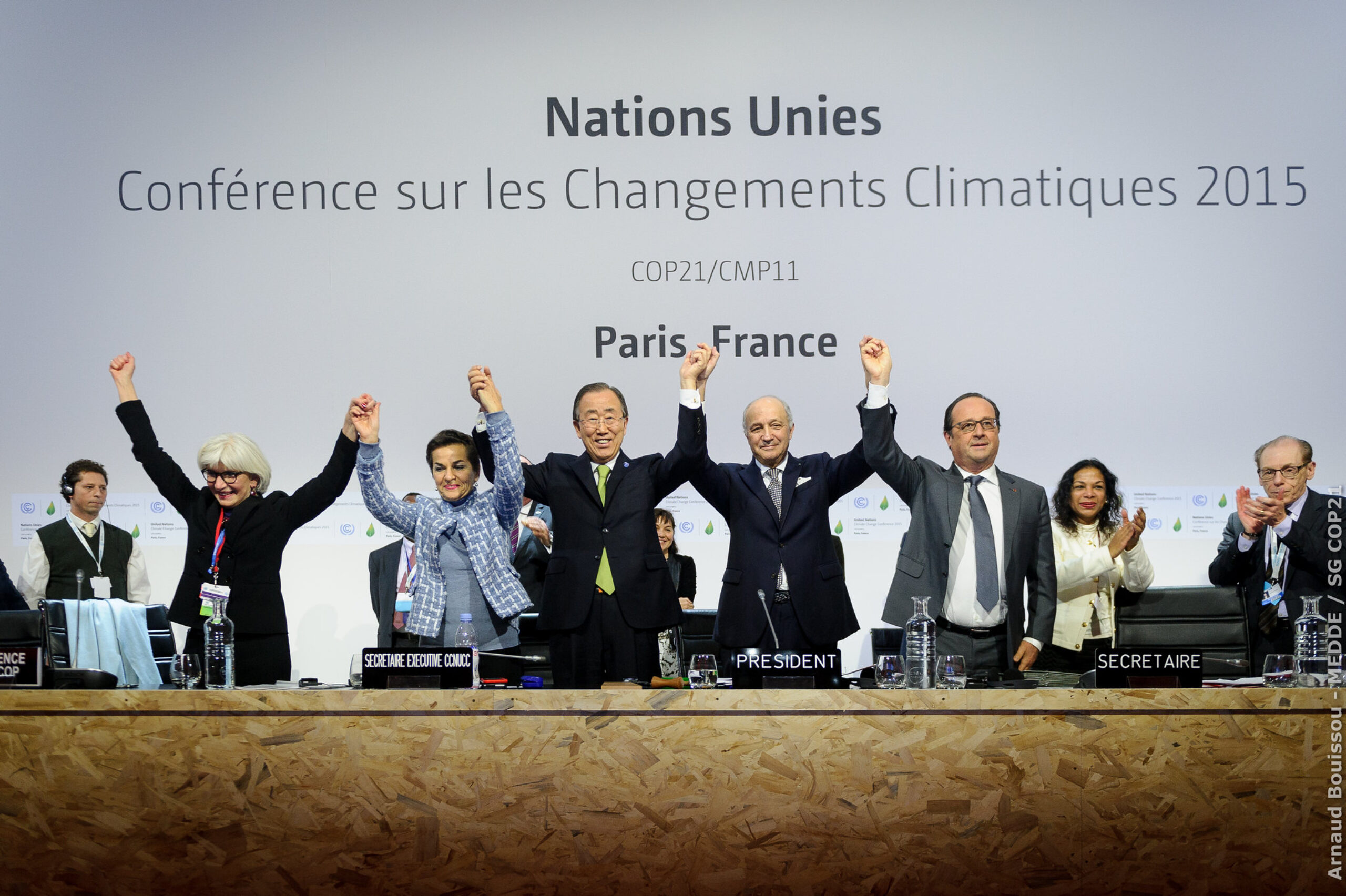
Zero Hour recognises the critical role of international agreements but will not be in attendance. Instead we are focusing on the delivery of the decade-old international agreement that the UK has yet to align with climate legislation nationally.
The independent Climate Change Committee have warned the UK should prepare for 2 degrees of warming in what is a clear sign that international COPs have failed to deliver all that is needed, and we know why. We have failed to update legislation and lock in national targets aligned to the international agreement on climate and nature we have signed up to. We aim to change that with the Climate and Nature Bill.
We need Stronger Laws, not more COP Pledges
The reports of being off track to missing the Paris Agreement goal of keeping warming well below 2ºC are why this COP is focused much more on delivery, investment, and justice. The writing is on the wall: without a joint-up approach to climate and nature and delivery pathways embedded into national frameworks, the non-binding pledges made on the international stage will be nothing more than yet another promise that falls short.
We need REAL change, not just in the way we power our homes, transport ourselves around the country, grow our food, and restore nature, but in the accountability we place on the government. With trust in UK politicians at an all time historic low, it’s time for the UK to enact legislation that can rebuild the trust of the public in delivering “the greatest long-term global challenge that we face.”.
Join the 75,000+ calling for the UK to strengthen its laws on climate and nature.
