


A dirty history of substance management jeopardises the safety of tap water in the UK.
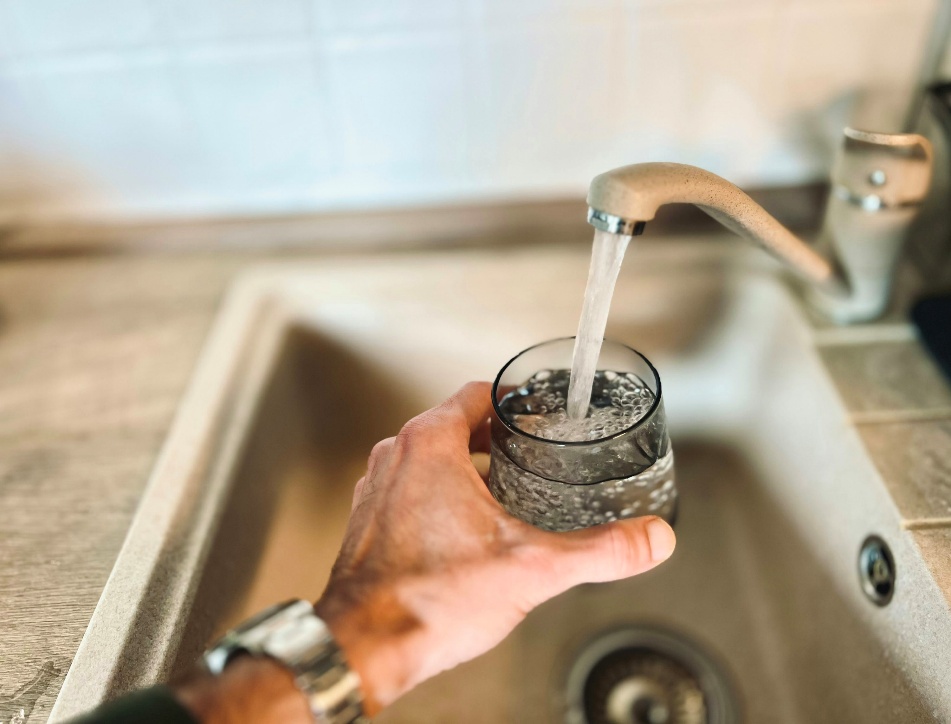
As I sit down this evening to write this blog post, I have a glass of tap water in hand. Despite being busy, I, like many others, aim to abide by the Government’s advice to drink between six to eight glasses of fluid daily. Water is essential to life, and access to clean, safe drinking water is considered a human right by the United Nations (UN). The United Kingdom (UK) is one of only 50 countries out of 195 worldwide that the Centres for Disease Control and Prevention (CDC) considers to have drinkable tap water. Surely, this makes it something worth protecting. Well, according to the UK Government, apparently not.
 The UK has identified more than 10,000 high-risk sites contaminated with PFAS chemicals. Due to the properties of these chemicals, they are highly mobile in the environment, bioaccumulative, unable to be broken down naturally and are toxic to both human health and the environment.
To understand their presence today, their lasting legacy, and why the UK Government’s PFAS Plan is so inadequate. We must consider their history, from invention to global phenomenon and controversy.
PFAS Discovery, Uses and Consequences
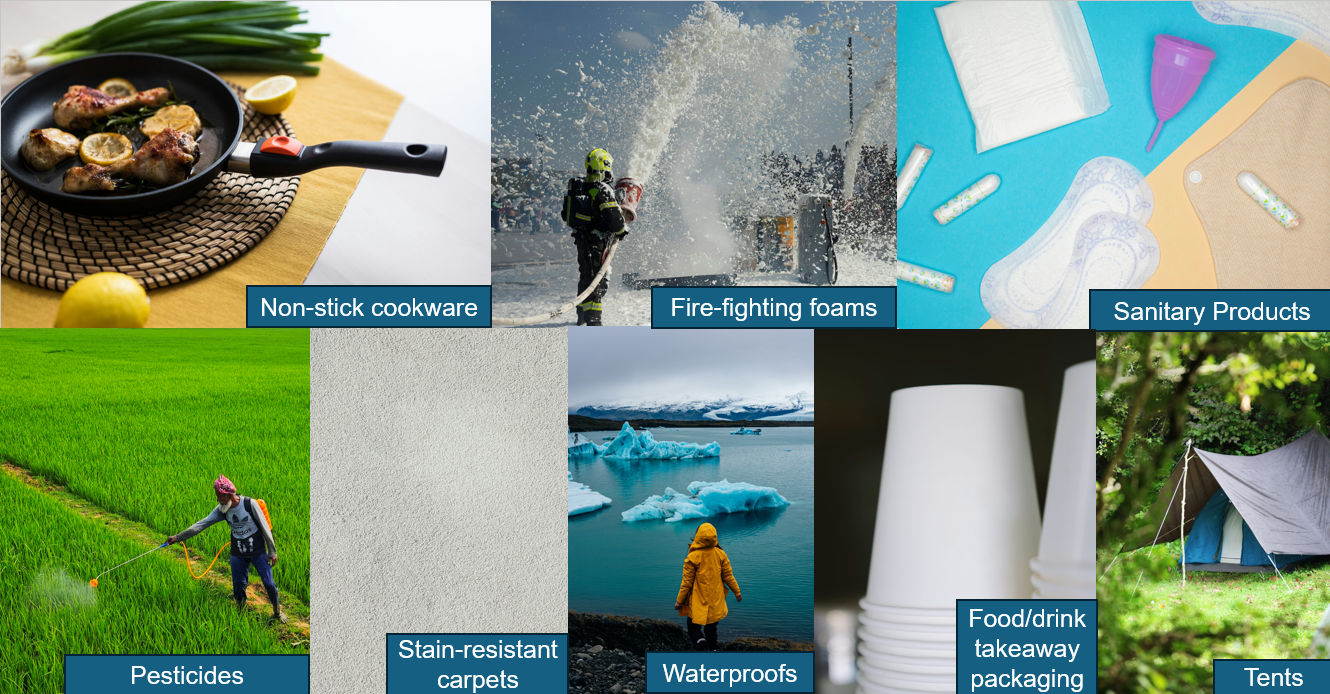
In the 1930s, chemists at DuPont had made a remarkable discovery. A chemical that was non-stick, fire-resistant and immune to almost every type of degradation. Trademarked as Teflon in 1945, this chemical provided the foundation for a family of chemicals known today as PFAS. Due to the properties of PFAS, they have a wide range of applications, including fire-fighting foams, outdoor clothing, non-stick pans, takeaway containers and more.
A chemical whose strong chemical bonds, which give it its unique functionality, are the very reason it is found in the blood of almost everyone alive today – even unborn babies.
PFAS chemicals are not a new issue. In fact, DuPont and 3M (the main historic producers) have known they were harmful since the 1960s. As new PFAS chemicals are made regularly, the effects of exposure to individual chemicals are rarely known. However, as a class of chemicals, they are known to cause:
- Endocrine disruption
- Certain cancers
- Organ damage
- Impaired immune system function
As PFAS chemicals are used widely and do not break down effectively in the natural environment, almost all PFAS that have ever been made are still present today. Accumulating in soil, water, nature and humans.
Particular hotspots for PFAS contamination include:
- Aerospace and industrial sites – where PFAS fire-extinguishers have been used extensively for fire drills.
- Manufacturing – certain industries use PFAS as part of their manufacturing process. One example of this is the AGC Chemicals plant, Lancashire. Due to PFAS discharge into the environment, locals living near the plant have been told not to eat eggs produced nearby.
- Landfills – where PFAS-containing products have been disposed of.
- Farmland – PFAS are used in many common pesticides, which are sprayed over fields and released in to the environment. For example, 95% of UK-grown strawberries were shown to contain PFAS pesticide residuals. Additionally, farmland can undergo sewage sludge application, which also brings PFAS into the food chain.
The water and soil surrounding any of these activities is likely to be contaminated, due to general discharge into the environment.
Humans can be exposed to PFAS in various ways, with the main pathway through exposure to contaminated drinking water and food. They can also be inhaled through the use of certain products and indoor dust. Additionally, there is growing research that they can be absorbed through the skin. This is particularly interesting given their presence in cosmetics and sanitary towels/tampons. 48% of disposable sanitary towels and 65% of period underwear tested were found to contain PFAS. Therefore, dermal PFAS absorption could be an issue that disproportionately affects women – further research may be needed.
The European Union (EU) has proposed to update the Registration, Evaluation, Authorisation and Restriction of Chemicals (REACH) regulation to ban the entire class of PFAS chemicals, allowing only chemicals for essential uses to stay. As a direct consequence of Brexit, the UK is no longer compliant with EU laws, meaning different legislation for the control of harmful substances must be written. Therefore, the UK Government has compiled the PFAS plan. Since its publication, it has been unpopular with scientists and Non-Government Organisations (NGOS) alike and may have paved the way for PFAS-using companies to exit the EU and come to the UK instead.
Where Does the UK PFAS Plan Fall Short?
The plan was published on the 3rd of February 2026, in response to EU regulation, NGO action and individual scientists. Two NGOs that have regularly voiced their concerns regarding PFAS levels in the UK are the CHEM Trust and Marine Conservation Society (MSC). Together with other NGOs in July 2025, they published a proposal for the way the UK Government should compile the PFAS Plan. Sadly, many of their proposals have not been met, and the Plan falls short in the following key areas:
- Focusses heavily on monitoring, instead of bans. Speaks of completing research and sampling, as opposed to banning PFAS chemicals at source. There is already a wealth of research about the toxicity of PFAS and their persistence, so failing to act is highly irresponsible.
Additionally, banning chemicals individually is risky. New, unbanned chemicals with marginal structural differences, but the same, or worse exposure effects, may enter the market. The MSC has estimated that banning each chemical individually will take thousands of years.
- Does not require polluters to pay for the remediation of known contaminated sites. It is currently unknown who will be footing the bill for clean-up initiatives; this bill could be paid by taxpayers, taking money away from other climate and nature initiatives outlined in the CAN Bill.
This is wrong - companies that profited exponentially from their sale, such as DuPont, which made $1 billion from the sale of Teflon in 2005. Have no legally binding financial responsibility to remediate land, protect people, or nature. Despite their shareholders being the only beneficiaries of the invention of these substances.
- Regulatory Divergence from the EU. The UK has failed to keep up with the EU’s REACH regulations. This leaves the door open for PFAS-dependent industries to relocate from the EU to the UK. Benefitting from more lenient environmental regulations and fewer restrictions.
Additionally, with the increasing divergence between chemical regulations in the UK and the EU, trade may become difficult. 51% of UK chemical exports are destined for the EU. But if UK-made chemicals do not meet future EU regulations, they may form other trade partnerships, which would be devastating to our chemicals industry and economy.
The plan states ‘to align UK REACH with closest trading partners, especially the EU, by December 2028’. However, the Plan does not indicate how this will be achieved.
- Sets No Legally-Binding Limits for PFAS in the Environment. This includes public water supply, groundwater, the marine environment and soil. By not setting these targets, there is no standard that industry and the Government can be held accountable for.
- Shifting Responsibility. The Plan states the public should have ‘clear, accessible information on PFAS risks and product content, enabling informed choices’. Whilst public knowledge around these substances is a clear positive, knowing enough about every PFAS chemical ever made, and applying this knowledge to avoid harmful products, is unattainable. There are experts for this reason, and the responsibility should be on our government to heed their advice and make regulations accordingly.
If you are looking at the glass of tap water sitting beside you in a different light, you are not alone. By failing to write appropriate regulations for PFAS chemicals, the government is failing to protect every one of us from harmful chemicals in our water, food, homes and wider environment.
Whilst this plan is a very disappointing step from the UK Government, there are actions you can take.
What Can I Do?
- Write to your local Member of Parliament (MP) expressing your concerns around their PFAS Plan, send them this blog and the proposal prepared by the CHEM Trust and other NGOs. To remind them what the PFAS Plan should have included.
- Try, wherever possible, to buy products that are free from PFAS. Be careful with the wording, as PFOA / PFOS-free does not mean PFAS-free. Remember, products that typically contain PFAS are non-stick cookware, waterproof clothing, food packaging, waterproof cosmetics and fire extinguishers.
- Support organisations such as the CHEM Trust and the Marine Conservation Society and their campaigns on PFAS and other harmful chemicals.
- View this interactive map to educate yourself and others on the PFAS hotspots near you.
