


Thousands gathered in Liverpool for this year’s annual conference, but the atmosphere was tense compared with the hopeful energy of a few years ago. Back then, many of us believed real change was coming; a better deal for climate and nature. This time, leadership questions, a recent reshuffle and contradictory messaging left uncertainty hanging in the air.
Every ministerial speech carried the same message: be louder in celebrating the Government’s achievements. And to be fair, there has been genuine, significant progress on clean energy, with Ed Miliband pushing forward at pace. Yet, in their first year back in power after 14 years in opposition, Labour has sided with big business, pitting nature against growth. By backing airport expansion, and potentially new gas production, they risk undermining their own climate promises.
Research has shown us that airport expansion alone could wipe out the gains from the clean energy plan. This simply does not match Ed’s powerful words delivered throughout the conference, in which he called the Reforms agenda “an all out war on future generations”, permanently banned fracking, and set out the aspiration of “Britain standing tall on the world stage”.
In a fringe event, Ed Miliband also stated that he “wanted the opportunity to talk more about nature alongside climate”. And yet there is a very clear nature-sized hole in the Government's plan to ‘Renew Britain’ (its 2025 conference slogan). The problem goes beyond a lack of understanding about the urgency of nature recovery. There is a fundamental contradiction between Ed Miliband’s ambition and the Treasury’s top-down approach. Is this Government on the same page?
Keir Starmer and other leaders began to challenge trickle-down economics and wealth concentration, presenting a vision of growth that benefits people rather than just corporations, which Starmer described as “growing our economy from the grassroots”. A very welcome shift. But words are not enough. In their first year, Labour have sided with US tech firms on AI over British artists, supported corrupt water companies instead of consumers, and reinforced the influence of big oil and gas companies in the UK.
Economic growth as an objective is still far too narrow. We need prosperity in our communities that goes beyond ‘growth for growth’s sake’ alone; a prosperity that encompasses thriving nature, accessible green spaces, cleaner air and rivers, well-paid local green jobs, and an economy that everyone is benefiting from - not just the elite.
Research shows that when asked what people are proudest of in their local area, it’s nature. It’s that local river walk, the wildlife-rich woods, or the city canal path. We are a nature-proud nation. But we need a Joined-up plan to ‘Renew’ Britain's ecosystems. A plan that restores our natural world in-line with our international agreements and makes it accessible for the many, not the few. Labour cannot afford to turn its back on nature. Without bold action on both nature and climate together, the promise of a greener, fairer future will slip further out of reach.
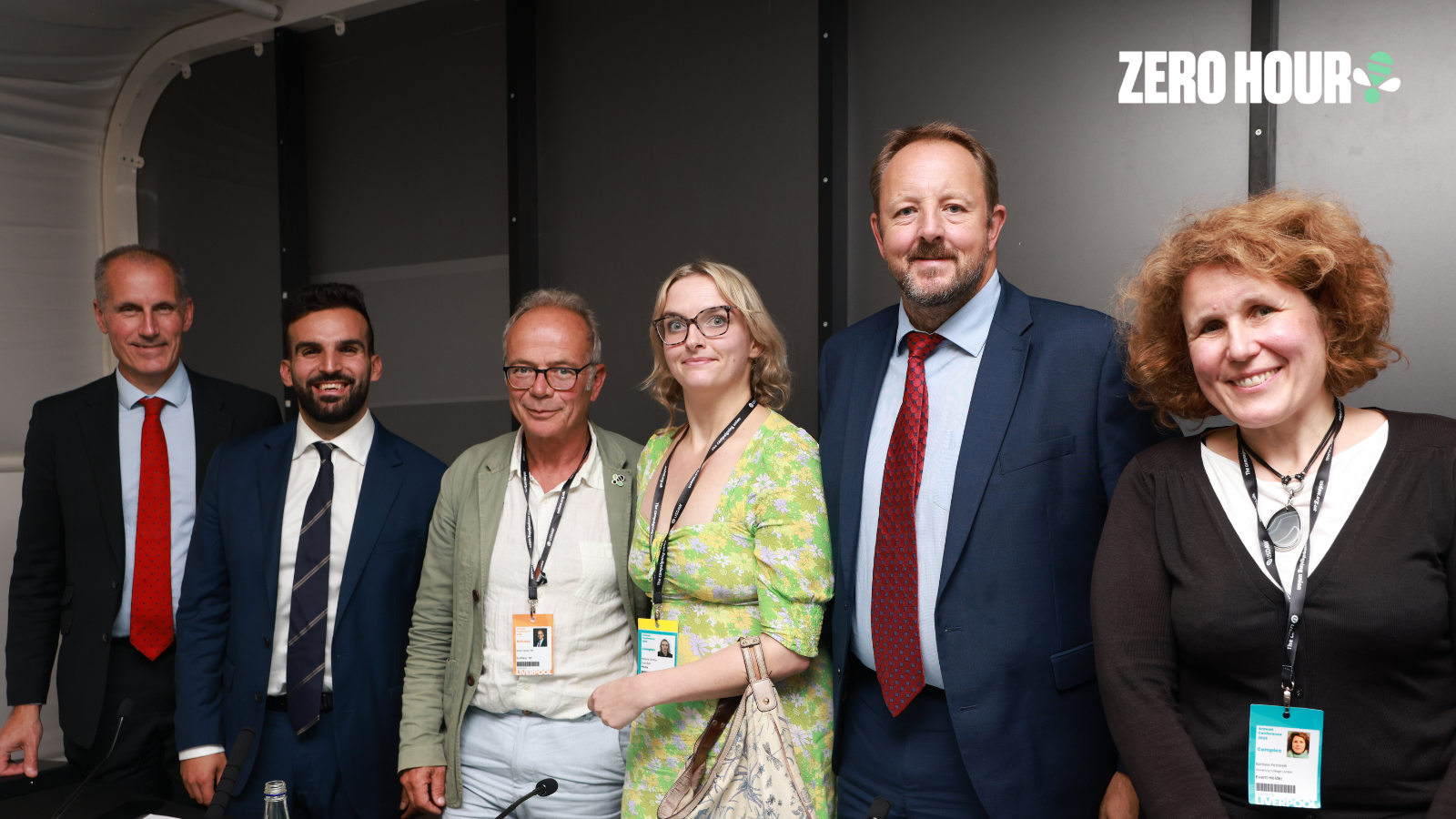
Zero Hour hosted a panel event to make the case for urgent, joined-up solutions to the climate and nature crisis. The discussion highlighted how the UK’s existing tools are no longer fit for purpose, and why ambitious action at home is essential to help drive global change.
Professor Nathalie Pettorelli, one of more than 1,200 scientists backing the Climate and Nature Bill, set out why this legislation is so crucial. She told the conference: “It’s the first serious attempt to bring the two climate and nature crises together into one framework. It’s about accountability. It’s about making sure the government has a plan, that it’s science-based, and that it’s long-term”.
Toby Perkins MP, Chair of the Environmental Audit Committee, acknowledged that “the starting point for moving away from siloed government is having an overarching plan, then ensuring all departments understand their commitments and are brought into achieving them”. Yet there was little recognition of nature. Bill Esterson MP, Chair of the Energy Security and Net Zero Committee, spoke almost exclusively about energy. As expected, perhaps, but at an event focused on the urgent need to integrate climate and nature, it painted a bleak picture for the natural world as this disconnect lies at the heart of current policy.
There is, however, hope. Dr Simon Opher MP told the conference that Labour has an “historic opportunity to lead globally on tackling the climate and nature crisis” and urged the Government to listen to the public and “stamp out the siloed working in Whitehall to tackle this issue head on”. Simon is one of 90 Labour MPs that support a plan that already exists: the science-led Climate and Nature Bill. Now it’s time for the Government to get serious about delivering it.
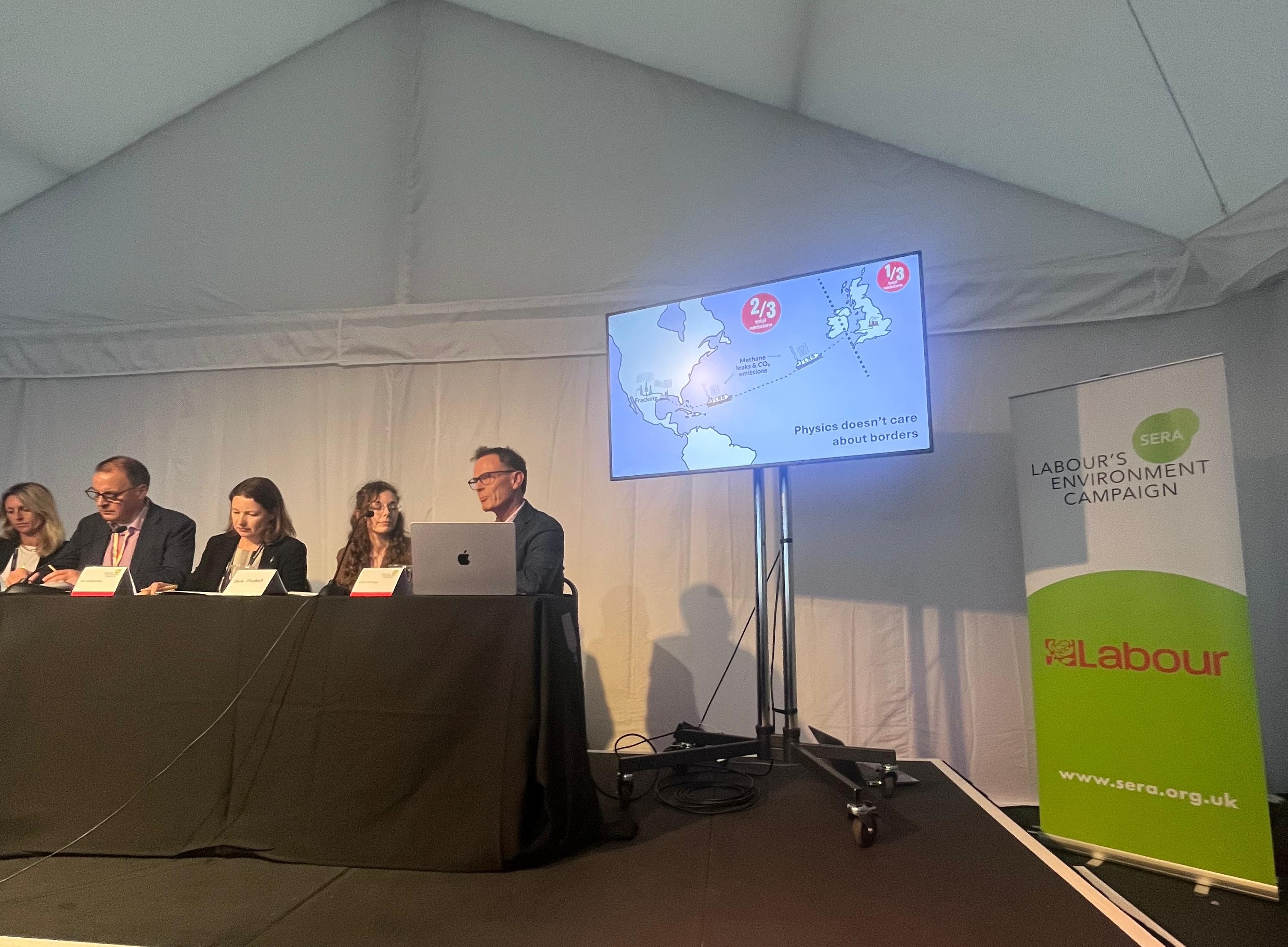
It wasn’t just integrated plans on show this year. Simon Oldridge, Zero Hour’s science advisor and lead organiser of the National Emergency Briefing, directly challenged the Government’s carbon capture and storage (CCS) proposals during a panel alongside a prominent CCS lobbyist. He warned: “CCS makes sense for hard-to-abate sectors, but UK plans would see £264 billion spent on tree-burning Drax and new gas power stations, ignoring huge, uncaptured upstream emissions - making these plans worse than coal for the climate”.
What’s next? We will continue to push this Labour Government to look beyond narrow economic growth and deliver real change for communities across all four nations. We will fight to restore cleaner rivers, air, and seas, and to rebuild thriving local ecosystems. We will use every tool at our disposal to make the Climate and Nature Bill a reality, working with campaigners, politicians, businesses, unions, and allies. Science-led, integrated action on climate change and biodiversity loss is not optional: it is the only way Labour can ‘Renew Britain’
