


This week the price of oil exceeded $100 a barrel for the first time since 2022 when Russia’s invasion of Ukraine caused an energy price crisis that led to households' energy bills hitting record highs. Once again, UK energy bills are being impacted by geopolitical events, with U.S attacks on Iran threatening to spike the cost of oil internationally. This is another reminder that our dependency on oil and gas is a threat not only to national security but is also hitting household pockets hard and exacerbating the cost of living crisis.
It’s evident that geopolitical events like conflict in the Middle East and ongoing conflict in Europe are not only a threat to geopolitical security, but its consequences extend to national security in the form of energy security and ability for the economy to function.
The reality of a world facing such conflict is that when many of us think of “National Security”, it will conjure up imagery of aircraft carriers, military personnel, and defence spending but the definition of national security is “the foundational duty of a government to protect its citizens, territory, economy, and institutions from external and internal threats.”. Under that definition the Joint Intelligence Committee report demonstrates there are significant external and internal threats to citizens and economy from biodiversity loss.
What's often missing in national security is the nation itself; whether it is communities facing flooding, droughts wiping out crop yields, geopolitical conflict driving up household bills or damage to national infrastructure from landslides.
As the Joint Intelligence Committee recent report has made clear for us, to have national security and protect the UK from organised crime, civil unrest, pandemic threats, military escalation, and escalating geopolitical tension, we need to restore nature and take steps to avoid biodiversity loss and ecosystem collapse.
So it’s vital that conversations on national security transcend reactive military process and military spending and look at what MI5 and MI6 are briefing the government—that the climate crisis and the breakdown of nature is a systemic driver of threats to safety here in the UK and deeply interlinked to driving forces of geopolitical tension.
Cost of Living
This week, consumers will be concerned at forecast consequences of our oil and gas dependency in our energy system which will directly threaten lives and livelihoods here in the UK with costs of upwards of £100 per household in energy bills created by disruption to the strait of Hormuz.
The UK has long been dependent on international imports and infrastructure and across political aisles the debate on energy autonomy or sovereignty has been boiling to the surface with the Russians invasion of Ukraine, conflict distribution in the Red Sea and most certainly the U.S war on Iran. Whilst Reform and Donald Trump will profess that the only way to improve energy security is to drill for more oil, they ignore the reality that Government and energy experts have made clear no amount of oil and gas extraction from the North Sea can affect the global price of oil and gas, and proposed projects would predominantly be for export due to the lack of refinery capacity in the UK.
The only way to improve energy security, sovereignty and protect consumers from geopolitical events costing them money is to unlock the full potential of the abundant renewable energy potential across the UK. The good news, the Prime Minister appears to agree that the clean energy mission is the pathway to delivering energy security - we hope that means the Department of Energy Security and Net Zero will refuse to approve expansion of the Rosebank oil field.
Food Security
The impact on households, sovereignty and household bills doesn’t just impact energy either, with the Joint Intelligence Committee report, stating:
“Without significant increases in the UK food system and supply chain resilience, it is unlikely the UK would be able to maintain food security if ecosystem collapse drives geopolitical competition for food.”
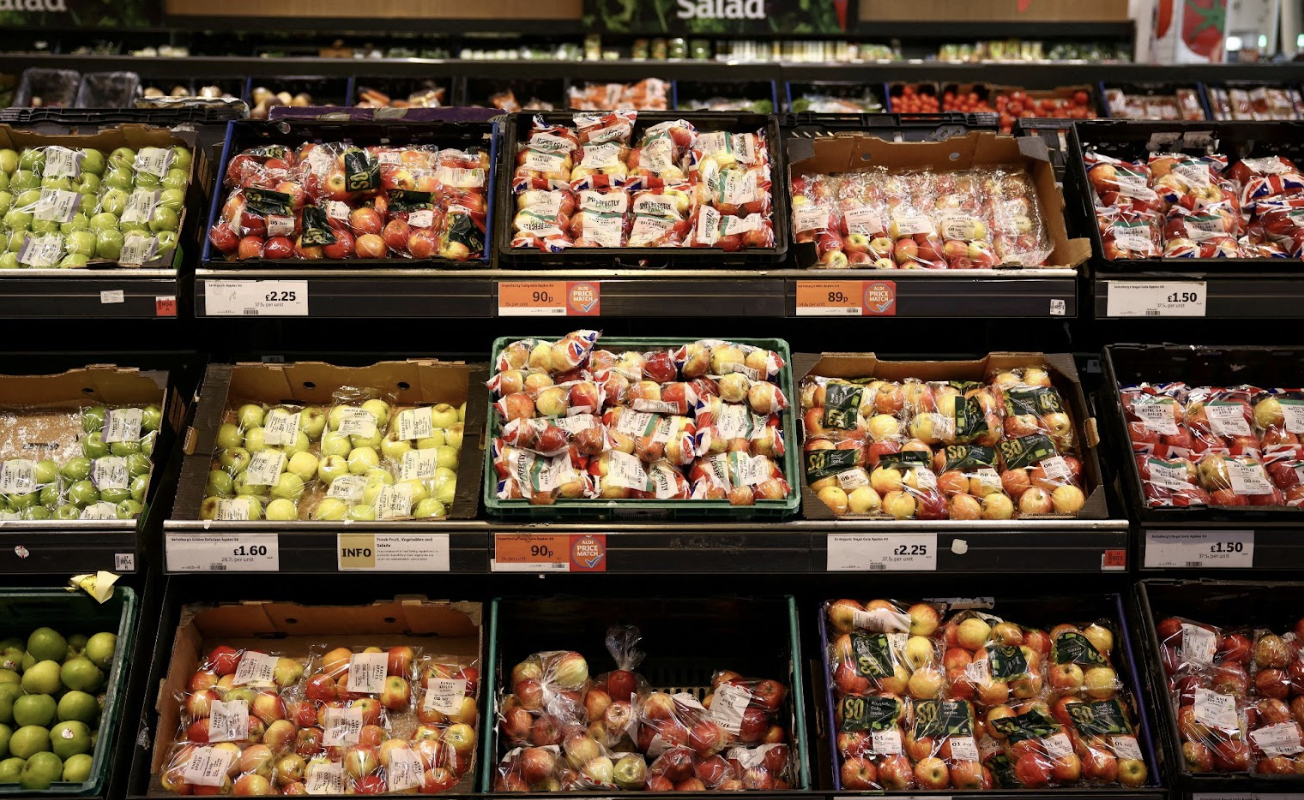
The UK is one of the least food self-sufficient countries in Europe with reports stating it provides under 60% of its own food. This problem is only compounded by climate change driving record level droughts and increasingly wet winters.
That is being exacerbated by conflict in the Middle East, with fertiliser supply chains being disrupted in the Strait of Hormuz, and The Independents’ Nima Shokri reporting “The real threat from a Strait of Hormuz closure isn’t an oil shortage – it’s a global food crisis”
This increasingly precarious system has led experts to call on the UK government to stockpile food to protect itself from future climate shocks and the possibility of war causing sections of the population to starve.
This should be a huge wake-up call for MPs that national security doesn’t only apply to international conflict, but also requires national action to restore nature, examine how land use can support domestic food production, support British food growers, and in turn protect consumers from shocks to food systems, as well as public health shocks.
Protecting homes
It has been well documented that the UK and its nations are facing a housing emergency and it is understandable why there has been an urgency in calls for the government to focus on housebuilding to provide security with the increasing need for accessible, affordable and available housing. You may be asking what this has to do with the breakdown of biodiversity and the climate crisis, but housing is an area that's leaving much of the UK most vulnerable.
In our existing housing stock there are already issues with poorly insulated homes, homes that struggle in warmer summers and problems with damp and mould. But recent reports are even exposing the climate risks of new housing, with Aviva reporting that 26% of new homes built between 2022 and 2024 are at risk of flooding with 15% being at medium or high risk and in Wales homes at risk of flooding are being demolished and forced to compensate owners.
There have been some signs of progress with the publication of the Warm Homes Plan. But delivering real security requires more than new housing and higher standards. It demands a concerted effort to tackle the root causes of flooding and climate risk. That means restoring nature and putting in place a legally binding pathway to align the UK’s decarbonisation efforts with our international climate commitments.
Will this make us poorer?
When the cost of living is already hurting opportunities of tackling poverty, public health and social mobility, the risks of food security and spikes in energy bills are already a deep cause for concern relating to national security with real risks of global recession affecting entire economies with knock-on effects on jobs, services and the cost of living.
The UK’s nature security assessment on global biodiversity loss and ecosystem collapse reinforced the scale of this risk. Reporting in The Times revealed that the full report includes a “worst-case but plausible” scenario for the 2030s in which the UK economy could shrink by 12%. That warning mirrors research published in 2024 by the University of Oxford and the University of Reading.
A shock of that scale would mean real consequences for people: pressure on local services, less money in people’s pockets, and the very real risk of businesses and livelihoods being lost.

To put that into perspective, the 2008 financial crisis led to a 5% drop in GDP and the Covid19 pandemic led to a 9-11% drop in GDP. So the climate and nature risks of the next decade could be financially worse off for UK households than lockdown and the financial crash of 2008!
This is a threat to communities and to the economy; and ultimately to our resilience to flooding, and our ability to heat our homes and feed our families.
So what does all this mean?
While the UK government acknowledges there is a problem, it appears to have blinkers on when setting out a plan to address the under-reported national security threats identified in the Joint Intelligence Committee report. The government has seen the scale of how biodiversity collapse could threaten every aspect of our lives, yet it appears to be tinkering around the edges rather than developing a comprehensive national security response, instead becoming locked in debates about the scale of military intervention in the Middle East.
Without action to restore nature and reduce our dependency on oil and gas, the UK's biggest threats will hit households with a breakdown in food security, volatility in energy prices and a serious risk of a recession having knock-on effects on public health, jobs, and livelihoods across the UK.
That’s why campaigners are connecting across the UK to meet MPs and hosting screenings of the National Emergency Briefing in order to prompt a national discussion of how to boost national security and deliver legislative change to avoid biodiversity collapse, reverse nature loss, and decarbonise our economy.
You can take action today and write to your MP and call for an emergency debate on the Joint Intelligence Report.
TAKE ACTION TODAY
